Heart Beat: A Unique Font That Adds Pulse and Passion to Your Designs
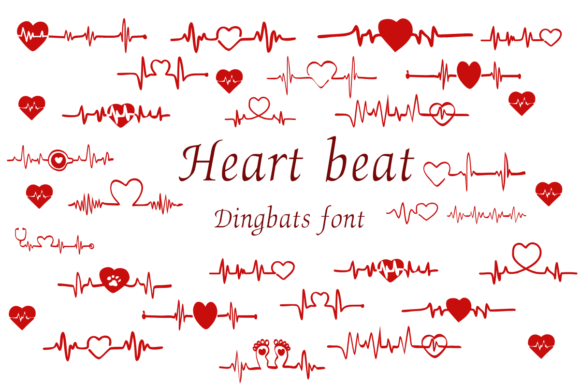
Heart Beat is more than just a font—it's an experience. This special dingbat font, filled with heartbeats, brings a unique rhythm to any design. Each character in Heart Beat dances to its own beat, creating a visual pulse that adds a touch of love and excitement. Whether you're designing for a romantic project or simply want to infuse whimsy into your work, Heart Beat offers a fresh way to communicate emotion through typography.
The Rhythm of Typography
Heart Beat is designed to capture the essence of a heartbeat—steady, rhythmic, and full of life. Unlike traditional fonts that focus on clarity and readability, Heart Beat emphasizes movement and emotion. Each letterform is crafted with intricate details that mimic the visual effect of a beating heart. This makes it ideal for projects that require a sense of urgency, romance, or playful energy.
Imagine using Heart Beat in a wedding invitation. The font’s pulsing rhythm can create a feeling of anticipation and love, making the message feel more personal and heartfelt. Similarly, in a children’s book or a branding campaign for a health-related product, Heart Beat can add a layer of warmth and vitality that other fonts might not achieve.
Why Heart Beat Stands Out
Heart Beat is a standout choice for designers looking to make a statement. Its unique aesthetic sets it apart from standard typefaces, offering a level of creativity that can elevate any design. The font is particularly effective when used in combination with other elements like color, layout, and imagery, as it can enhance the overall mood and message of the piece.
One of the key advantages of Heart Beat is its versatility. While it may be most commonly associated with romantic or whimsical designs, it can also be adapted for more professional contexts. For instance, a fitness brand might use Heart Beat in their logo or promotional materials to convey energy and vitality. The font’s dynamic nature allows it to fit into a wide range of creative applications.
Use Cases and Applications
Heart Beat is well-suited for a variety of use cases, each benefiting from its unique characteristics. Here are some common scenarios where this font shines:
- Romantic Projects: From love letters to anniversary cards, Heart Beat adds a personal touch that can make your message feel more meaningful.
- Whimsical Designs: Children's books, greeting cards, and playful websites often benefit from the lighthearted and energetic feel of Heart Beat.
- Brand Identity: Brands that want to convey warmth, passion, or innovation can incorporate Heart Beat into their visual identity to create a memorable impression.
- Event Invitations: Whether it's a wedding, birthday, or milestone celebration, Heart Beat can help set the tone and evoke emotion.
- Artistic Expression: Artists and designers can use Heart Beat to create visually striking compositions that blend text with texture and motion.
Each of these applications demonstrates how Heart Beat can be tailored to suit different needs while maintaining its core identity as a font filled with heartbeats.
Considerations for Designers
While Heart Beat offers many benefits, it's important to consider its limitations and best practices when incorporating it into your designs. First and foremost, the font is best used in moderation. Overuse can lead to visual clutter and reduce readability, especially in longer texts. It’s recommended to use Heart Beat as an accent rather than the primary typeface in most design projects.
Another consideration is the font’s compatibility across different platforms and devices. While Heart Beat is generally well-supported, it’s always a good idea to test it in various environments to ensure consistency. Additionally, designers should be mindful of the context in which they use the font. Heart Beat may not be the best choice for formal or technical documents, where clarity and professionalism are paramount.
Finally, pairing Heart Beat with complementary fonts can help maintain balance in your design. Using a clean, sans-serif font for body text while reserving Heart Beat for headings or callouts can create a visually appealing contrast that enhances the overall composition.
Creative Possibilities with Heart Beat
Heart Beat opens up a world of creative possibilities for designers who are willing to experiment. One exciting approach is to combine the font with animated effects. For example, a website that uses Heart Beat in its header could animate the characters to pulse in sync with a background music track, creating a dynamic and immersive user experience.
Another possibility is to integrate Heart Beat into digital art or interactive media. By using the font in motion graphics or video projects, designers can bring a sense of life and movement to static text. This can be particularly effective in social media content, where engagement and visual appeal are key.
For educators and content creators, Heart Beat can serve as a tool for storytelling. In lesson plans, storybooks, or interactive learning modules, the font can help draw attention to key points and make the content more engaging for students.
Conclusion
Heart Beat is more than just a font—it’s a way to infuse emotion, energy, and creativity into your designs. With its unique rhythm and visual appeal, it offers a fresh perspective on typography that can enhance both personal and professional projects. Whether you're crafting a romantic message, designing a brand identity, or exploring new creative avenues, Heart Beat has the potential to make your work stand out and resonate with your audience.